Introduction
Beneath your garden's surface lies an invisible world teeming with life—billions of microorganisms orchestrating a complex dance of nutrient exchange, chemical signaling, and mutual protection. When you plant basil next to your tomatoes or interplant beans among your corn, you're not just following garden folklore. You're tapping into sophisticated biological systems that scientists are only now beginning to fully understand.
For generations, gardeners have observed that certain plants thrive when grown together while others seem to struggle in each other's company. What our grandparents knew intuitively, modern soil science now confirms: companion planting works because it leverages the intricate relationships between plants, beneficial microbes, and the living soil ecosystem.
In this comprehensive guide, we'll journey underground to decode the soil microbiome and reveal why strategic plant combinations create gardens that practically take care of themselves. You'll discover how mycorrhizal networks act as underground internet systems, why certain plant pairings trigger natural pest defenses, and how to design plantings that build soil health season after season. Whether you're troubleshooting a struggling garden or planning your most productive growing season yet, understanding these hidden connections will transform how you approach every planting decision.
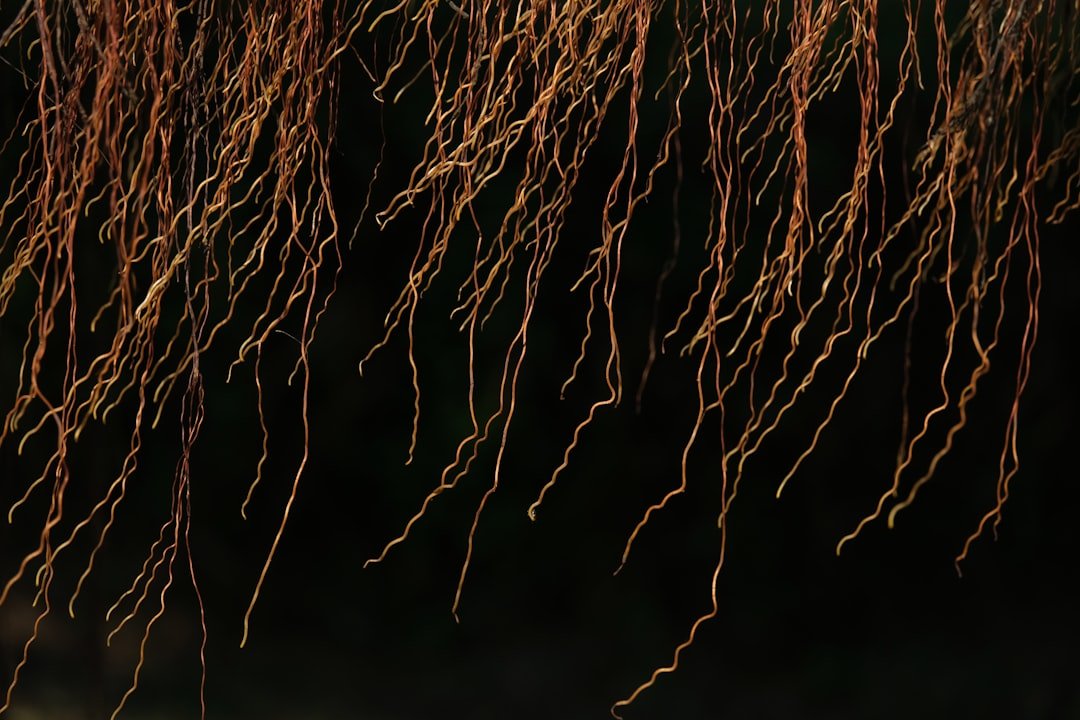
Photo by Everest Louis on Unsplash
What is the Soil Microbiome and Why Does It Matter for Companion Planting?
The soil microbiome refers to the complete community of microorganisms living in your garden soil—bacteria, fungi, protozoa, nematodes, and countless other tiny life forms. A single teaspoon of healthy garden soil contains more microorganisms than there are people on Earth. According to the USDA Natural Resources Conservation Service, this biological diversity is the foundation of soil health and directly influences plant growth, disease resistance, and nutrient availability.
These microorganisms don't just passively exist in soil—they actively shape the growing environment for your plants. Bacteria break down organic matter into plant-available nutrients. Fungi form vast networks that transport water and minerals across surprising distances. Beneficial nematodes hunt down pest larvae before they can damage roots. Together, this microscopic community creates what scientists call the "soil food web," a dynamic ecosystem where every organism plays a role.
The Root-Microbe Connection
Plants aren't passive participants in this underground ecosystem—they're active managers. Through their roots, plants release up to 30% of the sugars they produce through photosynthesis into the surrounding soil. This might seem wasteful until you understand the strategy: these root exudates are carefully crafted chemical cocktails designed to attract and feed specific beneficial microorganisms.
Different plant species release different exudate profiles, essentially setting different "tables" in the soil restaurant. This is where companion planting intersects with microbiome science. When you grow diverse plants together, you're supporting a more diverse microbial community. That diversity translates into greater resilience against disease, improved nutrient cycling, and natural pest suppression.
Mycorrhizal Networks: The Wood Wide Web
Perhaps the most remarkable discovery in soil science is the extent of mycorrhizal fungal networks. These beneficial fungi colonize plant roots and extend hair-thin threads called hyphae far into the surrounding soil—much farther than roots alone could reach. Research published in Nature has revealed that these networks don't just connect individual plants to soil resources; they connect plants to each other.
Through mycorrhizal networks, plants can share nutrients, water, and even chemical warning signals when pests attack. Older, established plants can support younger seedlings through these connections. This underground communication system means that your garden functions less like a collection of individual plants and more like a single, interconnected organism—but only if you plant and manage in ways that support these fungal partnerships.
Why Companion Planting and Microbiome Health Transform Your Garden
Understanding the connection between companion planting and soil microbiome health isn't just academic—it fundamentally changes what's possible in your garden. When you work with these biological systems rather than against them, you unlock benefits that no amount of fertilizer or pesticide can replicate.
- Natural pest control through chemical signaling and predator habitat
- Improved nutrient availability without synthetic fertilizers
- Enhanced disease resistance through microbial competition
- Better water retention and drought tolerance
- Reduced need for external inputs over time
- Improved flavor and nutritional density in harvested crops
- Self-improving soil that gets better each season
- Requires initial learning curve and planning
- Results develop gradually over multiple seasons
- Less predictable than conventional approaches in year one
- Some traditional companion planting advice is outdated or incorrect
Natural Pest Management Through Plant Chemistry
When pests attack a plant in a healthy, biodiverse garden, something remarkable happens. The damaged plant releases volatile organic compounds—essentially chemical distress signals—that travel through both air and soil. Neighboring plants detect these signals and begin ramping up their own defensive chemistry before the pests even arrive.
This is why aromatic companion plants like basil, marigolds, and herbs are so effective. Their strong scents aren't just masking crop plants from pests—they're contributing to a garden-wide chemical communication system. Some companions release compounds that directly repel specific pests, while others attract beneficial predatory insects that hunt pest species.
Nitrogen Fixation and Nutrient Sharing
Legumes like beans, peas, and clover form partnerships with Rhizobium bacteria that can convert atmospheric nitrogen into plant-available forms. This biological nitrogen fixation is well known, but the microbiome connection goes deeper. Through mycorrhizal networks, some of this fixed nitrogen can transfer directly to neighboring non-legume plants.
The University of California Agriculture and Natural Resources has documented that interplanting legumes with heavy-feeding crops like corn or squash creates genuine nutrient-sharing relationships. The traditional Three Sisters planting of corn, beans, and squash isn't just companion planting folklore—it's a sophisticated polyculture that leverages multiple microbiome interactions for mutual benefit.
Disease Suppression Through Microbial Competition
A diverse soil microbiome naturally suppresses plant diseases through competitive exclusion. When beneficial microorganisms occupy the spaces around plant roots and consume available resources, pathogenic organisms struggle to establish. Some beneficial bacteria and fungi go further, actively producing antibiotic compounds or triggering plant immune responses.
Monoculture plantings—growing the same crop in the same space repeatedly—allow pathogen populations to build up while depleting the specific beneficial microbes those plants depend on. Companion planting and crop rotation maintain microbial diversity and break disease cycles naturally.

The Flavor Factor
Gardeners often report that produce from companion-planted, microbiome-rich gardens simply tastes better. This isn't imagination. Plants grown in biologically active soil with diverse companion plantings produce higher levels of secondary metabolites—the compounds responsible for distinctive flavors, aromas, and many nutritional benefits.
Stressed plants (within reason) and those with robust microbial partnerships invest more energy in producing these compounds. The result is tomatoes that actually taste like tomatoes, herbs with intense aromatic profiles, and vegetables with the kind of flavor that supermarket produce can never match.
How to Build Companion Planting Systems That Support Your Soil Microbiome
Creating a garden that leverages both companion planting and microbiome health requires thoughtful planning and patience. The goal is to establish permanent biological systems that improve year after year. Here's how to get started and build toward a truly regenerative garden ecosystem.
-
Before planting, observe your soil. Does it smell earthy and pleasant? Can you find earthworms easily? Does water soak in quickly or puddle? These simple observations reveal much about existing microbial life.
-
Reduce or eliminate tilling, which destroys fungal networks. Avoid synthetic fertilizers that short-circuit natural nutrient cycling. Never leave soil bare—always maintain living roots or organic mulch.
-
Compost, aged manure, leaf mold, and other organic materials feed soil microbes. Diversity matters—different materials support different microbial communities.
-
Plan beds with multiple plant families growing together. Include at least one legume, one allium, one aromatic herb, and your target crop in each growing area.
-
Permanent plantings of herbs, flowers, and fruiting plants maintain year-round root systems that sustain mycorrhizal networks through every season.
-
Organic mulch protects soil life from temperature extremes and UV damage while slowly feeding decomposer organisms. Aim for 2-4 inches of mulch throughout beds.
-
When creating new growing areas, add finished compost from established beds, use mycorrhizal inoculants, or transplant some soil from healthy areas to introduce beneficial organisms.
-
Microbiome development takes time. Keep notes on what you observe each season—pest pressure, plant vigor, soil texture—and look for improvements over years, not weeks.
Step 1: Create a Companion Planting Map
Begin by sketching your garden space and identifying zones based on sunlight, water access, and existing perennial plants. Within each zone, plan plant guilds—groups of mutually supportive species that will grow together.
A basic vegetable guild might include: - Anchor crop: Your primary harvest goal (tomatoes, peppers, squash, etc.) - Nitrogen fixer: Legumes that feed the soil (bush beans, clover, peas) - Pest confuser: Aromatic plants that mask or repel pests (basil, marigolds, nasturtiums) - Beneficial attractor: Flowers that draw predatory insects (yarrow, dill, fennel) - Ground cover: Low-growing plants that protect soil and retain moisture (lettuce, spinach, creeping thyme)
Step 2: Establish Living Pathways
The spaces between beds matter as much as the beds themselves. Instead of bare soil or gravel, plant pathway areas with low-growing clovers or other nitrogen-fixing ground covers. These living pathways extend mycorrhizal networks between beds, reduce compaction, and create habitat for ground-dwelling beneficial insects.
Oregon State University Extension research has shown that gardens with living pathways show significantly higher beneficial insect populations and reduced pest pressure compared to those with bare or mulched pathways.
Step 3: Time Plantings for Continuous Root Activity
Mycorrhizal networks need living roots to survive. Plan successions so that something is always growing in each bed. When you harvest spring crops, immediately transplant summer seedlings or sow quick-maturing varieties. In fall, plant cover crops rather than leaving beds empty through winter.
This continuous root presence maintains fungal networks through every season, so you don't have to rebuild these systems from scratch each spring.
Step 4: Integrate Perennial Companions
Annual vegetables benefit enormously from nearby perennial plants. Perennial herbs like rosemary, thyme, sage, and oregano maintain permanent root systems that anchor stable microbial communities. Perennial flowers provide season-long food for beneficial insects. Fruit bushes and small trees create the vertical structure that hosts predatory birds and insects.
Position perennials at bed edges, in corners, and along pathways where they won't shade annual crops but will extend their beneficial influence throughout the garden.

Photo by manos koutras on Unsplash
Proven Companion Planting Combinations for Microbiome Health
Not all companion planting advice stands up to scientific scrutiny. Some traditional pairings are based more on garden mythology than measurable benefit. The following combinations are backed by research into plant chemistry, microbial interactions, and observable outcomes in both research settings and working gardens.
| Plant Combination | Microbiome Benefit | Additional Benefits |
|---|---|---|
| Tomatoes + Basil + Legumes | Diverse root exudates support varied microbial communities; legumes add nitrogen | Basil repels aphids and thrips; improved tomato flavor |
| Corn + Beans + Squash (Three Sisters) | Nitrogen fixation, deep and shallow root zones, continuous ground cover | Physical support structure, shade for soil, traditional polyculture |
| Brassicas + Alliums + Chamomile | Allium compounds suppress brassica pathogens; chamomile attracts beneficial fungi | Onion family repels cabbage pests; chamomile improves flavor |
| Carrots + Onions + Lettuce | Different rooting depths reduce competition; diverse exudates | Onion masks carrot scent from flies; lettuce provides living mulch |
| Peppers + Marigolds + Oregano | Marigolds release root compounds toxic to nematodes; oregano supports mycorrhizae | Aromatic pest confusion; pollinator attraction |
| Cucurbits + Nasturtiums + Radishes | Radishes break soil compaction; nasturtiums attract aphids away from crops | Trap cropping effect; radishes mark rows and harvest early |
The Three Sisters: Ancient Wisdom Confirmed
The Three Sisters planting—corn, beans, and squash grown together—developed by Indigenous peoples of the Americas represents one of the most sophisticated companion planting systems ever devised. Modern soil science reveals why it works so well:
Corn provides physical support for climbing beans while its tall stalks create the partial shade squash prefers during hot weather. Its deep roots access water and nutrients beyond the reach of its companions.
Beans partner with Rhizobium bacteria to fix atmospheric nitrogen, feeding both themselves and their neighbors. They climb corn stalks without needing separate trellising.
Squash spreads across the ground, shading soil to retain moisture, suppress weeds, and create habitat for ground-dwelling predatory beetles. Its prickly stems deter raccoons and other four-legged pests.
Beneath the surface, these three plant families release complementary root exudates that support exceptional microbial diversity. Research at Cornell University has documented that Three Sisters plots maintain higher microbial biomass and activity than monocultures of any single component.
Aromatic Herbs as Microbiome Boosters
Mediterranean herbs—rosemary, thyme, oregano, sage, and lavender—deserve special attention in microbiome-focused companion planting. These plants evolved in nutrient-poor soils where mycorrhizal partnerships were essential for survival. They're exceptionally good at forming and maintaining fungal networks.
Interplant aromatic herbs throughout your vegetable beds, not just at the edges. Their root systems extend mycorrhizal networks, their volatile oils provide pest protection, and their flowers support beneficial insects across long seasons. Even if you never harvest them for cooking, these herbs earn their garden space through their ecosystem contributions.
Alliums: The Underground Pharmacists
Onions, garlic, leeks, chives, and shallots release sulfur compounds through their roots that suppress many soil-borne diseases. Plant alliums near disease-prone crops like tomatoes and brassicas. Research shows that interplanting onion family members reduces fungal disease pressure on neighboring plants by 30-50% in some cases.
The antimicrobial effects of alliums are selective—they suppress pathogenic fungi and bacteria while leaving beneficial mycorrhizal networks largely unaffected. However, avoid planting alliums directly adjacent to legumes, as some evidence suggests the sulfur compounds may interfere with nitrogen-fixing bacteria.
Common Mistakes That Damage Soil Microbiome and Companion Planting Success
Even well-intentioned gardeners often inadvertently undermine their soil microbiome and companion planting efforts. Avoiding these common mistakes will accelerate your progress toward a thriving, self-sustaining garden ecosystem.
Mistake 1: Over-Tilling and Excessive Soil Disturbance
Every time you till, rototill, or deeply cultivate soil, you physically destroy fungal networks that took months or years to develop. Mycorrhizal hyphae are incredibly fine—a single pass with a tiller severs millions of connections. While bacteria recover quickly from disturbance, beneficial fungi can take entire seasons to reestablish.
The fix: Transition to no-till or minimal-till methods. Use broad forks for gentle aeration if needed. Plant directly through mulch layers. When you must disturb soil for transplanting, limit disturbance to individual planting holes.
Mistake 2: Relying on Synthetic Fertilizers
Chemical fertilizers deliver nutrients directly to plant roots in immediately available forms. This sounds beneficial but actually short-circuits the plant-microbe relationship. Plants that receive easy nutrition stop producing the root exudates that feed beneficial microorganisms. Over time, microbial populations crash, leaving plants entirely dependent on continued fertilizer inputs.
High-nitrogen synthetic fertilizers particularly damage mycorrhizal networks. Studies have shown that mycorrhizal colonization drops dramatically in heavily fertilized soils. The Rodale Institute has documented that transitioning from synthetic to organic fertility management typically requires 2-3 years for soil biology to recover.
The fix: Feed soil organisms, not plants directly. Use compost, aged manure, cover crops, and organic mulches. These materials require microbial processing before nutrients become plant-available, maintaining the biological relationships that create truly healthy soil.
Mistake 3: Following Outdated Companion Planting Advice
Not all traditional companion planting recommendations are accurate. Some popular claims—like planting marigolds everywhere for pest control—are oversimplified or context-dependent. Others, like supposed antagonism between tomatoes and brassicas, have little scientific support.
The fix: Seek out companion planting information from research-based sources. University extension services and peer-reviewed gardening research provide more reliable guidance than gardening folklore. Observe results in your own garden rather than accepting all traditional advice uncritically.
Mistake 4: Leaving Soil Bare
Exposed soil bakes under summer sun, killing microorganisms in the top inches. Bare soil erodes during rain, crusts over in drought, and offers no food for the fungal networks that depend on living roots.
The fix: Never leave soil uncovered. Grow cover crops, apply organic mulch, or interplant ground-covering companions. Even 'weeds' are better than bare ground from a microbiome perspective—though managed ground covers are better still.
Mistake 5: Planting Companions Too Densely
While companion planting increases biodiversity, cramming too many plants into limited space creates intense competition for light, water, and soil resources. Stressed, crowded plants are more susceptible to disease and pests—the opposite of what companion planting should achieve.
The fix: Research mature plant sizes and space accordingly. Many companion planting guides underestimate space requirements. It's better to have fewer, thriving plants than a crowded tangle of stressed ones. Vertical growing, succession planting, and using appropriate plant sizes (dwarf varieties, compact herbs) allow diversity without overcrowding.
Mistake 6: Ignoring Seasonal Timing
Companion planting only works when companions actually grow together. Planting heat-loving basil alongside early-spring peas means they'll never overlap. Cool-season companions will bolt and die before summer crops hit their stride.
The fix: Create companion planting plans based on your specific climate and timing. Group plants with similar temperature preferences and maturation windows. Plan successions so appropriate companions are always present throughout each crop's lifecycle.
Best Practices for Long-Term Microbiome and Companion Planting Success
Building a truly resilient garden ecosystem is a multi-year journey. These best practices, drawn from regenerative agriculture research and experienced organic growers, will help you develop soil biology and companion planting systems that improve with every season.
Think in Systems, Not Individual Plants
Shift your mental model from growing individual crops to managing an integrated ecosystem. Every planting decision affects the whole: adding a flowering herb supports beneficial insects that protect vegetables three beds away. A cover crop this fall feeds the fungi that will partner with next summer's tomatoes.
When planning, consider water flow through your garden, wind patterns, shade cast by taller plants, and how harvesting one crop opens space for another. This systems thinking creates gardens that function smoothly with less intervention.
Maintain Living Roots Year-Round
The single most important practice for microbiome health is keeping living roots in soil through all seasons. In growing season, this happens naturally through succession planting and companions. In winter, cover crops—even simple ones like winter rye or crimson clover—maintain the biological communities that would otherwise go dormant or die.
In mild climates, overwintering vegetables like garlic, onions, kale, and carrots serve double duty as food crops and microbiome maintainers. The goal is zero days per year with completely empty beds.
Compost as Microbial Inoculant
Well-made compost isn't just fertilizer—it's a concentrated package of beneficial microorganisms. When you apply finished compost, you're inoculating beds with bacteria, fungi, and other organisms that will multiply and integrate into your soil ecosystem.
For maximum microbial diversity, make compost from diverse inputs. Combine green materials (nitrogen-rich plant waste, kitchen scraps) with brown materials (leaves, straw, wood chips) from multiple sources. Compost at moderate temperatures (130-150°F) rather than hot composting, which kills more beneficial organisms.
Rotate Plant Families, Not Just Crops
Classic crop rotation advice—don't plant the same thing in the same place year after year—is really about rotating plant families. All brassicas (cabbage, broccoli, kale, cauliflower) support similar microbial communities and are susceptible to similar diseases. The same applies to nightshades (tomatoes, peppers, eggplant, potatoes), cucurbits (squash, cucumbers, melons), and alliums.
Rotate plant families through different beds on three or four-year cycles. Within each year, pair families that benefit different microbial communities and don't share diseases. After heavy-feeding nightshades, follow with nitrogen-fixing legumes. After brassicas, plant alliums whose antimicrobial root compounds help suppress brassica diseases.
-
Add 1-2 inches of finished compost to all beds at season transitions, working lightly into the top inch of soil or applying under mulch.
-
Replenish mulch as it decomposes. Use diverse materials—straw, leaves, wood chips—for diverse microbial food sources.
-
Choose appropriate covers for your climate and season: legumes for nitrogen, grasses for organic matter, brassicas for biofumigation.
-
Beneficial insects need nectar and pollen throughout the season. Interplant flowers like alyssum, calendula, and cosmos among vegetables.
-
Keep a garden journal noting plant health, pest pressure, and soil observations. Compare across years to track improvement.
-
While expensive lab tests exist, simple indicators like earthworm counts, soil aggregation, and infiltration rates track biological health over time.
Partner with Nature's Pest Control
Every garden contains pest populations—the goal isn't elimination but balance. When pest numbers spike, it often indicates that predator populations haven't caught up, or that stressed plants are vulnerable.
Build permanent habitat for predatory insects, spiders, and other beneficial organisms. Leave some areas unmowed and uncultivated. Provide water sources. Avoid broad-spectrum pesticides—even organic ones—that kill beneficials along with pests. Accept minor pest damage as the price of admission for a functional ecosystem.
Over time, companion planting that supports predator habitat results in fewer pest outbreaks and less dramatic population swings than intervention-based approaches.
Be Patient and Persistent
Microbiome development is measured in years, not weeks. In the first season of transitioning to companion planting and biological soil management, results may be underwhelming or even negative as systems adjust. By year three or four, most gardeners report dramatically improved plant health, reduced pest pressure, and steadily increasing yields without increasing inputs.
Commit to the approach for multiple seasons before evaluating results. Make incremental improvements each year rather than wholesale changes. The gardens that truly thrive are those tended by gardeners who think in decades.
Frequently Asked Questions About Companion Planting and Soil Microbiome
Conclusion
The secret to truly exceptional gardens lies hidden beneath our feet. The soil microbiome—that bustling underground city of bacteria, fungi, and countless other organisms—orchestrates plant health in ways that no amount of synthetic intervention can replicate. When we design companion plantings that support this microbial community, we tap into billions of years of evolutionary refinement.
The path forward is both simple and profound: grow diverse plants together, keep living roots in soil year-round, protect and feed soil organisms with organic matter, and resist the urge to intervene with chemicals that short-circuit natural processes. Within a few seasons, you'll find yourself tending a garden that practically manages itself—one where pests remain in check, nutrients cycle naturally, and plants exhibit a vitality that comes only from genuine biological health.
Start wherever you are. Add a few aromatic herbs among your vegetables this season. Try a Three Sisters planting in one corner. Let a section of your garden go wild with flowers. Each small step toward diversity and biological thinking builds on the last. The soil microbiome is remarkably resilient once given the chance—your job is simply to stop fighting against it and start working with it.
Ready to Grow a Thriving Companion Garden?
Explore our complete library of seasonal planting guides, companion planting charts, and soil-building techniques. Join the Farmer's Delight community to connect with gardeners who are growing more by working with nature.
Explore Our Growing Guides
Comments
No comments yet. Be the first to comment!
Leave a Comment