Introduction
Walk through any farmers market, and you'll spot the familiar faces: tomatoes, zucchini, leafy greens. But look a little closer, and you might discover something unexpected—a fuzzy fruit wrapped in a papery husk, a twisted root that tastes like artichoke, or vibrant greens with a peppery kick you've never experienced.
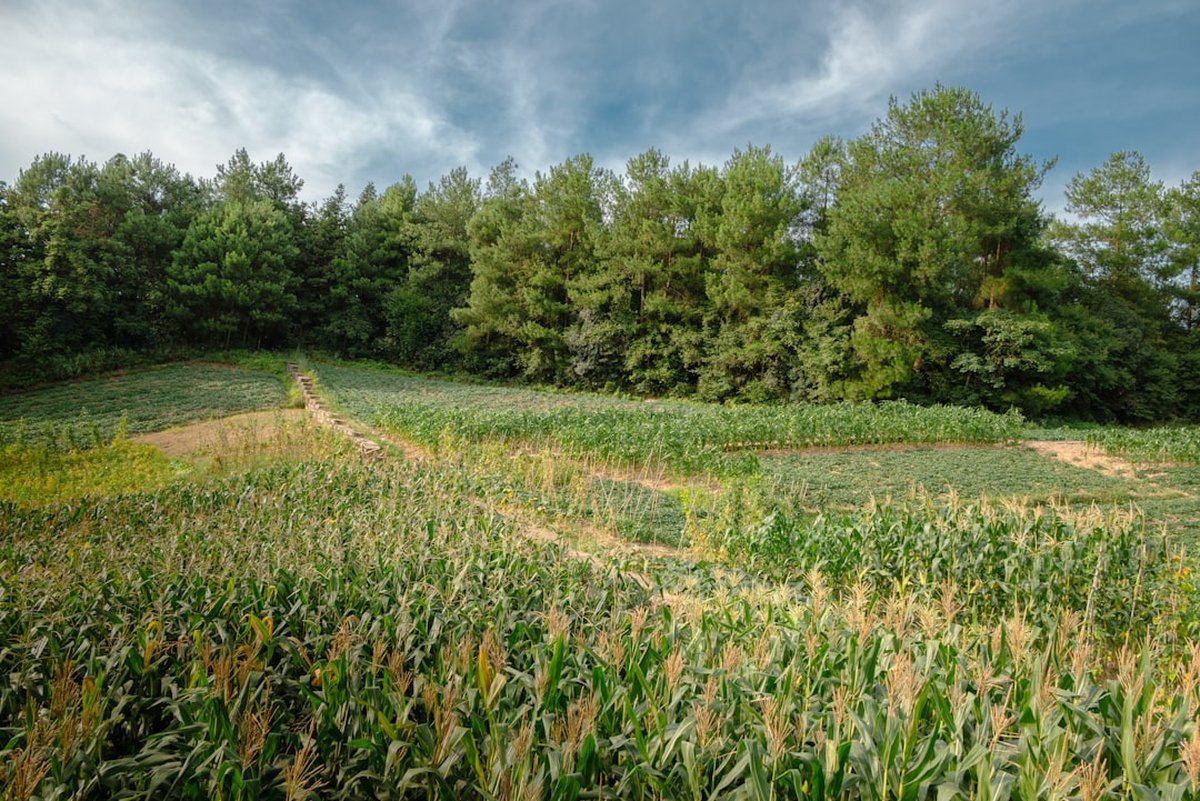
Across the country, innovative farmers are moving beyond conventional crops to cultivate specialty varieties that surprise, delight, and nourish. These hidden gem crops aren't just novelties; they're often more resilient, more nutritious, and more flavorful than their mainstream counterparts. They represent a growing movement toward agricultural diversity that benefits soil health, local food systems, and adventurous eaters alike.
Whether you're a home gardener looking for your next planting adventure or a food enthusiast eager to expand your culinary horizons, these seven specialty crops deserve a spot on your radar. Let's meet the farmers who are championing them and discover why these overlooked treasures might just become your new favorites.
Photo by Patrick Nguyen on Unsplash
1. Ground Cherries: The Tropical Surprise
Wrapped in delicate paper lanterns, ground cherries (Physalis pruinosa) look like tiny gifts waiting to be unwrapped. Bite into one, and you'll taste a flavor explosion that combines tropical pineapple, sweet tomato, and hints of vanilla. These golden berries are relatives of tomatillos but offer a completely different eating experience.
Farmer Marcus Webb of Sunrise Hollow Farm in Oregon started growing ground cherries five years ago after discovering them at a seed swap. "People walk right past them at first because they don't know what they are," he explains. "But once they taste one, they're hooked. I can't grow enough to meet demand anymore."
Ground cherries are remarkably easy to cultivate, thriving in conditions similar to tomatoes but with better drought tolerance. According to Cornell University's vegetable growing guides, they're excellent candidates for beginning gardeners because they're relatively pest-resistant and prolific producers. One plant can yield hundreds of fruits throughout the season, dropping them to the ground when ripe—hence the name.
2. Sunchokes: The Underground Artichoke
Also known as Jerusalem artichokes, sunchokes are the knobby tubers of a native North American sunflower. Their flavor is nutty and slightly sweet, reminiscent of artichoke hearts with a crisp, water chestnut-like texture when raw. Roasted, they become creamy and caramelized.
What makes sunchokes particularly exciting for sustainable farmers is their resilience. These perennials return year after year, require minimal inputs, and actually improve soil structure with their deep root systems. They're also rich in inulin, a prebiotic fiber that supports gut health.
Sarah Chen of Rootbound Acres in Michigan has made sunchokes a cornerstone of her regenerative farming practice. "They're a perfect crop for building soil while feeding people," she says. "The sunflowers are gorgeous for pollinators in late summer, and then we harvest the tubers after frost sweetens them up." Her sunchokes have become a sought-after item at local restaurants, where chefs prize them for their versatility in everything from soups to chips.
3. Shiso: The Herb That Does It All
If you've enjoyed sushi or Korean barbecue, you may have encountered shiso without knowing its name. This aromatic herb, also called perilla, comes in green and purple varieties, each offering complex flavors that dance between basil, mint, cinnamon, and citrus. It's a staple in Asian cuisines but remains largely undiscovered in American home gardens.
The USDA's National Nutrient Database reveals that shiso leaves are nutritional powerhouses, packed with antioxidants, omega-3 fatty acids, and anti-inflammatory compounds. Beyond culinary uses, the seeds yield a valuable oil, and the flowers make beautiful, edible garnishes.
Tomoko and David Reyes operate a small specialty herb farm in California's Central Valley, where shiso has become their signature crop. "We grow six different varieties," Tomoko explains. "Each one has subtle differences that chefs really appreciate. The purple shiso adds incredible color to pickles and drinks, while the green variety is perfect for wrapping grilled meats." For home gardeners, shiso self-seeds readily and grows quickly in warm weather, making it a low-maintenance addition to any herb garden.
Photo by Bianca Novian Moeis on Unsplash
4. Honeynut Squash: Winter Squash Perfected
Developed by vegetable breeder Michael Mazourek at Cornell University, honeynut squash is what happens when scientists and farmers collaborate to create something better. This mini butternut is about the size of an acorn squash but packs dramatically more sweetness and a deeper, nuttier flavor than its larger cousin.
The compact size isn't just convenient—it means the squash matures faster, allowing farmers in shorter growing seasons to harvest successfully. The thin skin is entirely edible when roasted, eliminating waste and prep time. Inside, the flesh is dense, creamy, and so naturally sweet that many people eat it without any added sugar.
Jorge Ramirez of Three Sisters Farm in New Mexico has watched honeynut squash transform his fall sales. "Customers who thought they didn't like squash become converts," he laughs. "Kids especially love them because they're the perfect single-serving size and taste almost like dessert." The variety stores exceptionally well, sweetening further over months in a cool cellar—a trait that makes it invaluable for extending the local food season.
5. Celtuce: The Lettuce You've Never Met
Also known as stem lettuce or asparagus lettuce, celtuce is a dual-purpose vegetable that's wildly popular in Chinese cuisine but virtually unknown in American markets. The thick, crisp stem—peeled and sliced—tastes like a cross between celery and cucumber with subtle lettuce notes. The leaves are edible too, though slightly more bitter than typical salad greens.
Celtuce thrives in cool weather and bolts to seed slowly, giving growers a wide harvest window. It's remarkably water-efficient compared to traditional celery and suffers from fewer pest problems. The Rodale Institute, a leader in organic farming research, has highlighted celtuce as an excellent crop for diversifying cool-season production.
Linda and Paul Johansen discovered celtuce while traveling in China and now grow it on their Vermont farm. "The first year, we had to give away samples because nobody knew what to do with it," Linda recalls. "Now we sell out every week. People slice it thin for salads, stir-fry it, or pickle it. Once you try that crunch, regular celery just doesn't compare."

Photo by Carlo Verso on Unsplash
6. Watermelon Radish: Beauty From the Inside Out
Cut open a watermelon radish, and you'll understand instantly how it got its name. The exterior is unassuming—pale green with white shoulders—but inside awaits a stunning magenta center that looks exactly like the fruit it's named after. The flavor is milder and sweeter than common red radishes, with a pleasant peppery finish.
These Chinese heirloom radishes are a favorite among market farmers because they photograph beautifully and create instant visual interest on any plate. They're also substantial, growing to the size of a small turnip, which makes them versatile for roasting, pickling, or eating raw in elaborate salads.
Amira Hassan grows watermelon radishes on her small plot outside Atlanta, Georgia, where they've become her farm's unofficial mascot. "Social media changed everything for these radishes," she notes. "People share photos of them sliced thin, and suddenly everyone wants to try them. They're my gateway crop—customers come for the watermelon radishes and discover everything else I grow." As a cool-season crop, watermelon radishes fill an important gap in late fall and early spring markets when colorful produce is scarce.
7. Mouse Melons: Tiny Fruits, Big Personality
Imagine cucumbers shrunk to the size of grapes, dressed in watermelon stripes, with a flavor that pops with bright citrus and cucumber notes. Mouse melons, also called cucamelons or Mexican sour gherkins, are ancient Central American fruits that are finally finding their modern audience.
These vigorous vines produce prolifically from a single planting, and unlike regular cucumbers, they resist many common diseases and pests. The fruits are perfect for snacking straight off the vine, tossing into salads, or quick-pickling for tangy garnishes. Their novelty factor makes them irresistible to children, who often become enthusiastic garden helpers when mouse melons are involved.
Roberto and Elena Vega grow mouse melons on their family farm in Texas, continuing a tradition Roberto's grandmother maintained in Mexico. "For her, these weren't specialty crops—they were just part of the garden," he reflects. "Now we're reintroducing them to people who've never heard of them, and it feels like sharing a family secret." The vines grow enthusiastically up trellises, making them suitable even for small-space gardeners looking to maximize vertical growing area.

Photo by Rachel Kelli on Unsplash
Bonus: Growing Your Own Hidden Gems
Ready to try growing these specialty crops yourself? The good news is that most of these hidden gems are surprisingly beginner-friendly. Seed companies like Johnny's Selected Seeds and Baker Creek Heirloom Seeds offer many of these varieties with detailed growing instructions.
Start with one or two new crops each season, treating them as experiments alongside your reliable favorites. Keep notes on what works in your specific conditions, and don't be discouraged by initial failures—even experienced farmers need time to learn each crop's preferences. Most importantly, connect with other growers through local gardening groups or online communities where you can swap tips, seeds, and harvest stories.
-
Add just one or two specialty crops to your existing garden each year
-
Purchase from reputable suppliers who specialize in heirloom and unusual varieties
-
Match crops to your climate, soil type, and available space
-
Keep a garden journal noting planting dates, conditions, and results
-
Join gardening clubs or farmers market communities to learn regional tips
Conclusion
These seven specialty crops represent just a fraction of the agricultural treasures waiting to be discovered. Behind each unusual vegetable is a farmer willing to take risks, experiment with unfamiliar varieties, and educate their communities about new possibilities. Their work enriches our food system with diversity, resilience, and flavors that mass agriculture simply can't provide.
Whether you encounter these hidden gems at your local farmers market, grow them in your own backyard, or spot them on a restaurant menu, each one tells a story of innovation and connection to the land. By supporting farmers who champion specialty crops and trying new varieties ourselves, we all contribute to a more diverse, sustainable, and delicious food future.
Explore more about connecting your garden to your kitchen with our complete guide to seasonal growing and cooking, and discover how the crops you cultivate can transform every meal into a celebration of fresh, local abundance.
Discover More Seasonal Growing Guides
Join the Farmer's Delight community for weekly tips on growing unique crops, seasonal recipes, and farmer spotlights delivered straight to your inbox.
Subscribe Now
Comments
No comments yet. Be the first to comment!
Leave a Comment