Introduction
Walk through any thriving farmers market today, and you'll notice something different behind the tables of heirloom tomatoes and pasture-raised eggs. The faces are younger. The conversations blend soil biology with smartphone apps. The farming methods draw from both grandmother's wisdom and cutting-edge climate science.
A quiet revolution is reshaping American agriculture, led by millennials and Gen Z farmers who refuse to accept the industrial farming status quo. These next generation farmers are proving that profitable farming and environmental stewardship aren't opposing forces—they're inseparable partners in building a food system that can feed communities for generations to come.
In this comprehensive guide, we'll explore who these young farmers are, why their approach matters for our collective future, and how they're combining ancient agricultural knowledge with modern innovation. Whether you're considering a career in farming, looking to support local agriculture, or simply curious about where your food comes from, understanding this movement will change how you think about the ground beneath your feet and the meals on your plate.
No image uploaded.
What Are Next Generation Farmers?
Next generation farmers represent a distinct demographic and philosophical shift in American agriculture. Generally defined as farmers under 40 years old, this group encompasses both millennials (born 1981-1996) and Gen Z (born 1997-2012) who have chosen farming as their livelihood and life purpose.
But age alone doesn't define this movement. What truly distinguishes next generation farmers is their approach to agriculture—one that integrates environmental consciousness, technological fluency, community connection, and business innovation in ways that previous generations rarely combined.
According to the USDA's Census of Agriculture, the average age of American farmers has been climbing for decades, reaching 57.5 years in the most recent survey. This makes the influx of young farmers not just refreshing but essential for the future of food production. The National Young Farmers Coalition estimates that over the next two decades, 400 million acres of American farmland will change hands as older farmers retire—creating both an urgent challenge and unprecedented opportunity.
The Two Paths Into Farming
Next generation farmers typically arrive at agriculture through one of two routes. The first are legacy farmers—those continuing family operations, often bringing fresh perspectives and sustainable practices to land that's been farmed for generations. They balance respect for family tradition with the need to adapt to changing markets and climate conditions.
The second, and increasingly common path, are first-generation farmers—individuals with no agricultural background who've chosen to build farming careers from scratch. Studies suggest that nearly 69% of young farmers fall into this category. Many hold college degrees in fields ranging from environmental science to business to engineering, and they bring diverse professional experiences to their farming operations.
Both groups share common characteristics: a commitment to environmental sustainability, comfort with technology, entrepreneurial mindsets, and a deep desire to build community connections around food.
Beyond the Stereotype
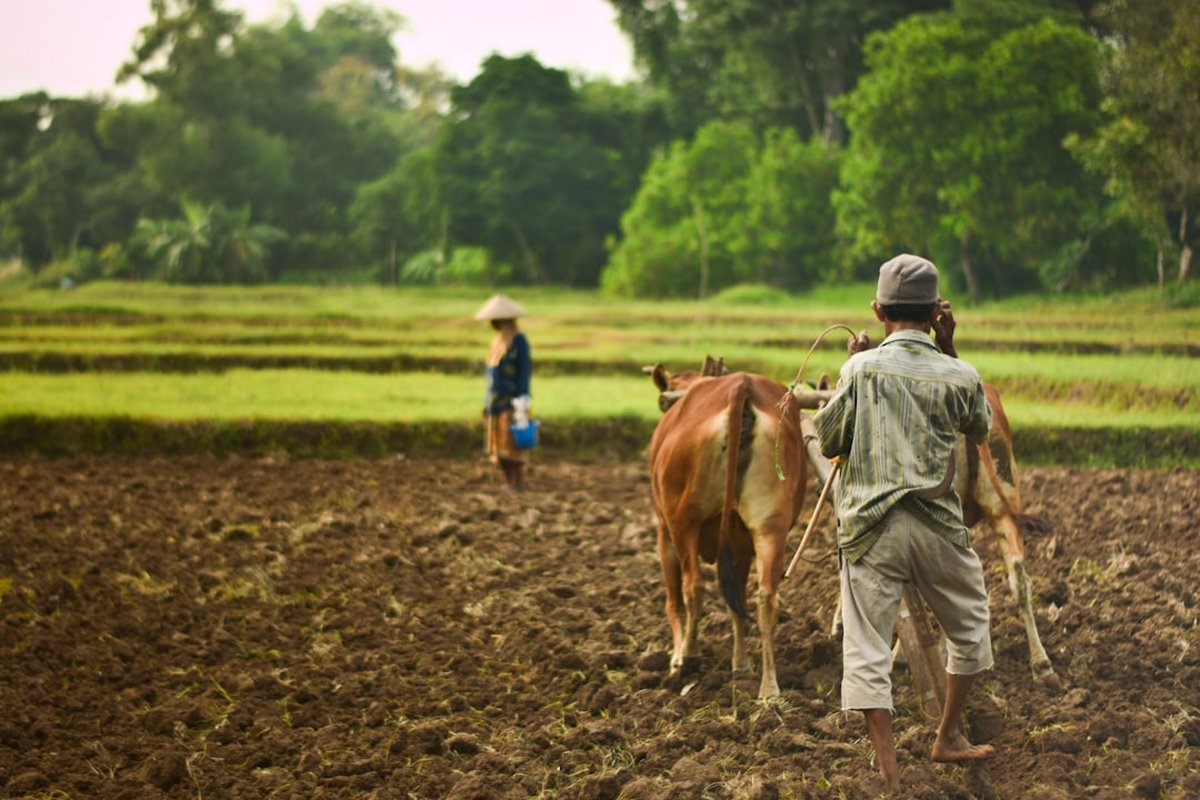
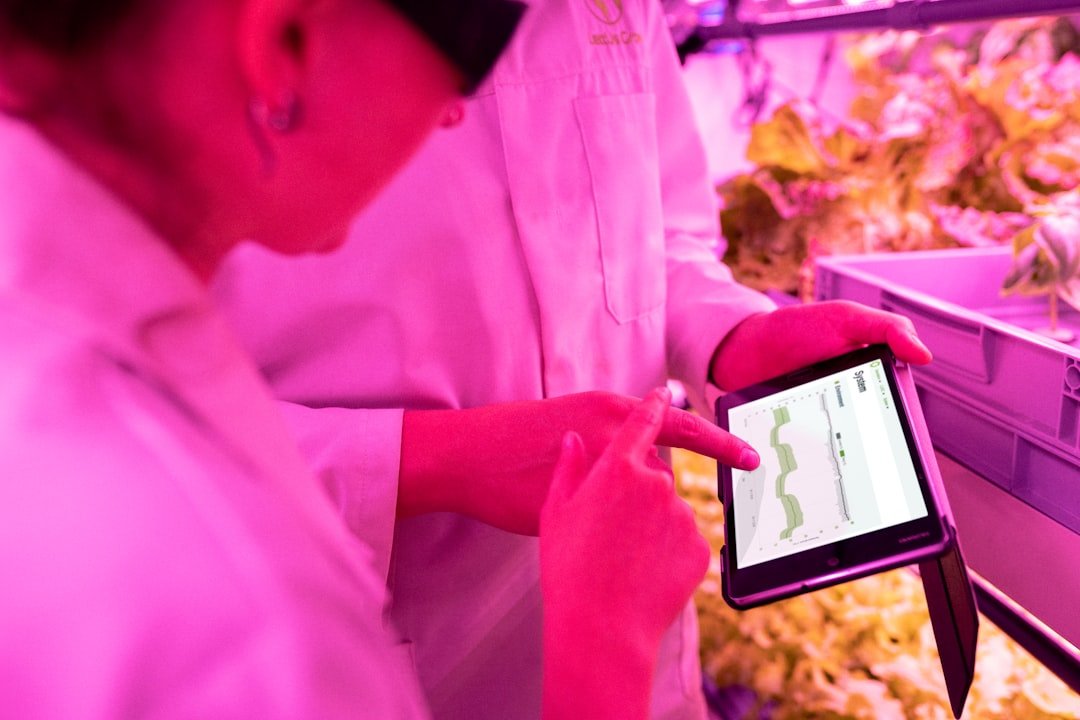
Forget the image of overalls and pitchforks. Today's young farmers are as likely to be analyzing soil microbiome data on their tablets as they are to be driving tractors. They're Instagram-savvy marketers, community organizers, climate activists, and small business owners rolled into one.
This generation brings skills that agricultural education traditionally didn't emphasize: digital marketing, direct-to-consumer sales, grant writing, and social media community building. They've grown up in an era of climate awareness, food documentaries, and farm-to-table movements, which has shaped their understanding of farming's role in broader social and environmental systems.
Many young farmers explicitly reject the term "conventional" to describe industrial agriculture, arguing that the truly conventional approach is the regenerative, diversified farming that humans practiced for millennia before the chemical-intensive methods of the past 75 years.
Why Next Generation Farmers Matter
The rise of young farmers isn't just a feel-good story about millennials finding purpose in agriculture. It represents a critical response to interconnected crises facing our food system, climate, and rural communities. Understanding why these farmers matter helps us appreciate the stakes of supporting—or failing to support—their success.
Addressing the Farmer Shortage Crisis
American agriculture faces a looming demographic cliff. With the average farmer approaching 60 and fewer young people entering the profession, we risk losing the human knowledge and capacity to feed ourselves. The USDA Economic Research Service projects that without significant young farmer recruitment, many regions will face severe agricultural labor and expertise shortages within the next decade.
Next generation farmers aren't just filling slots—they're often reinvigorating struggling rural economies and bringing innovation to regions that have seen decades of agricultural consolidation and population decline.
Climate Resilience Through Regenerative Practices
Young farmers disproportionately embrace regenerative agriculture—practices that don't just sustain but actively improve soil health, biodiversity, and ecosystem function. Research from the Rodale Institute and others demonstrates that regenerative farming can sequester significant amounts of carbon while building resilience against drought, flooding, and extreme weather.
This generation understands that they'll be farming through the worst impacts of climate change. Their survival depends on building agricultural systems that can adapt to unpredictable conditions, which drives their interest in diverse crop rotations, perennial systems, integrated livestock, and water conservation.
- Regenerative practices improve soil carbon storage and water retention
- Diversified operations spread economic risk across multiple income streams
- Direct marketing creates stronger community food connections
- Technology integration improves efficiency and reduces waste
- Younger farmers bring innovation and adaptability to changing conditions
- Land access remains the primary barrier for beginning farmers
- Student debt burdens limit startup capital for many young farmers
- Transition periods for regenerative practices can reduce short-term yields
- Smaller operations face challenges competing with industrial scale
- Rural infrastructure gaps limit market access for some farms
Rebuilding Local Food Systems
The COVID-19 pandemic exposed fragilities in our centralized food supply chains. When processing plants closed and distribution systems faltered, local farms with direct consumer relationships proved remarkably resilient. Young farmers, with their emphasis on community-supported agriculture (CSA), farmers markets, and direct sales, are building the infrastructure for more robust regional food systems.
These local networks do more than provide fresh vegetables. They keep food dollars circulating in local economies, reduce transportation emissions, and create the social connections that strengthen communities.
Preserving Agricultural Knowledge and Biodiversity
Every variety of heirloom tomato, heritage grain, or traditional farming technique that survives does so because someone chooses to grow it. Next generation farmers are often passionate stewards of agricultural biodiversity, maintaining seed varieties and animal breeds that industrial agriculture has abandoned.
This isn't mere nostalgia—it's insurance for the future. The genetic diversity preserved by small farmers may prove essential as climate change demands crops and livestock adapted to new conditions.
We're not just growing food; we're growing soil, growing community, growing the possibility of a future where agriculture heals rather than harms. That's why I farm.
How Next Generation Farmers Are Transforming Agriculture
Understanding the practical approaches that define young farmers reveals how they're translating ideals into action. These aren't just philosophical differences from industrial agriculture—they're fundamentally different ways of designing and managing farm systems.
Step 1: Starting With Soil Health
For next generation farmers, everything begins underground. Before planting their first crop, many invest months or years in building soil biology through cover cropping, composting, and reduced tillage. This patience reflects an understanding that healthy soil is the foundation of everything else—crop nutrition, water management, pest resistance, and climate resilience.
Practices include: - Cover cropping between cash crops to prevent erosion and add organic matter - Composting to recycle nutrients and feed soil microorganisms - Reduced or no-till methods to preserve soil structure and fungal networks - Diverse rotations that break pest cycles and balance soil nutrients - Integration of livestock for natural fertility management
Step 2: Designing Diversified Systems
While industrial agriculture trends toward monocultures, young farmers embrace complexity. A typical next generation farm might include vegetables, fruit, pastured livestock, value-added products, and agritourism—multiple revenue streams that spread risk and create ecological synergies.
This diversification isn't random; it's carefully planned to create what permaculture designers call "stacking functions"—where each element serves multiple purposes. Chickens provide eggs, meat, pest control, and fertilizer. Fruit trees produce food while sheltering crops below from harsh weather.
-
Soil type, water sources, microclimates, and existing vegetation all inform what systems will thrive
-
Look for crops and livestock that benefit each other—like pigs following cattle to break up manure and reduce parasites
-
Test new crops or animals on a limited basis before committing significant resources
-
Value-added products often provide better margins than raw commodities
-
Farmers markets, CSA, restaurants, and wholesale each have different advantages and risks
-
Track yields, labor, costs, and outcomes to continuously improve decision-making
Step 3: Leveraging Technology Appropriately
Next generation farmers are neither Luddites nor tech evangelists. They approach technology pragmatically, adopting tools that genuinely improve outcomes while remaining skeptical of solutions that increase dependence on external inputs or corporate systems.
Popular technologies among young farmers include:
Data and Planning Tools - Farm management software for record-keeping and planning - Soil testing and mapping services - Weather monitoring and forecasting apps - Crop planning spreadsheets and databases
Field Technology - Drip irrigation with smart controllers - Season extension through high tunnels and row covers - Electric fencing for rotational grazing management - Small-scale appropriate machinery
Marketing and Sales - E-commerce platforms for direct sales - Social media for community building - Email newsletters and customer relationship management - Online farmers market platforms
Step 4: Building Direct Market Relationships
Rather than selling into commodity markets where prices are set by global forces, next generation farmers prioritize direct relationships with eaters. This approach commands premium prices, builds customer loyalty, and provides the satisfaction of seeing your food nourish your community.
Direct marketing takes many forms: farm stands, farmers markets, community-supported agriculture subscriptions, restaurant sales, and increasingly, online ordering with farm pickup or local delivery. Each channel requires different skills and infrastructure, but all share the common thread of connecting farmer and eater.

Photo by Chromatograph on Unsplash
Step 5: Collaborating Instead of Competing
One of the most distinctive characteristics of next generation farmers is their collaborative mindset. Where older generations sometimes guarded techniques as competitive advantages, young farmers freely share knowledge, equipment, labor, and even customers.
This collaboration takes many forms: - Farmer cooperatives for shared marketing, processing, or equipment - Beginning farmer networks for peer mentorship and support - Land-sharing arrangements where multiple farmers operate on larger properties - Skill exchanges where farmers teach each other specialized techniques - Joint CSA programs where multiple farms supply a single subscription
Step 6: Advocating for Policy Change
Young farmers increasingly recognize that individual farm success depends on broader policy environments. Many engage in advocacy for agricultural policies that support beginning farmers, protect farmland from development, and incentivize conservation practices.
Organizations like the National Young Farmers Coalition and Farm Action channel this energy into effective policy campaigns, giving young farmers a voice in Farm Bill negotiations and state agricultural policy.
Common Mistakes to Avoid
Whether you're a young farmer starting out or someone looking to support this movement, understanding common pitfalls helps ensure success. These mistakes aren't moral failures—they're learning opportunities that experienced farmers have navigated so others don't have to.
Scaling Too Fast
Enthusiasm is essential for farming, but it can lead to overextension. Many beginning farmers, excited by early success, expand production before they've mastered the skills and systems their current scale requires. This often leads to quality problems, burnout, and financial stress.
Better approach: Master each phase before expanding. A highly profitable quarter-acre operation beats a struggling five-acre one. Growth should follow demonstrated competence, not just ambition.
Underpricing Products
New farmers often price products based on what they see at grocery stores or what feels "fair" without fully accounting for their costs. True cost accounting—including labor at fair wages, land costs, equipment depreciation, and unexpected losses—frequently reveals that sustainable pricing must exceed conventional retail.
Better approach: Calculate your true costs before setting prices. Many successful young farmers price at 2-3x supermarket prices and find customers who understand the value. Don't compete on price with industrial agriculture—compete on quality, freshness, and connection.
Neglecting Business Skills
A beautiful, productive farm that loses money isn't sustainable. Many beginning farmers focus intensely on production skills while neglecting bookkeeping, marketing, and business planning. Even farmers who came from business backgrounds can underestimate agriculture's unique financial dynamics.
Better approach: Invest in business education from the start. Organizations like Farm Commons offer legal and business resources specifically for sustainable farmers. Track every dollar from day one.
Ignoring Physical Sustainability
Farming is physically demanding work, and many young farmers push their bodies unsustainably in early years. Injuries, chronic pain, and burnout force many promising farmers out of agriculture entirely. The "work harder" mentality can be as destructive as any pest or drought.
Better approach: Design systems that are physically sustainable long-term. Invest in ergonomic tools and infrastructure. Build rest into your schedule. Create farm enterprises that don't require constant physical labor during your potential retirement years.
Going It Alone
The mythology of the rugged individual farmer obscures agriculture's fundamentally communal nature. Farmers who isolate themselves miss opportunities for shared knowledge, collaborative problem-solving, and emotional support during inevitable hard times.
Better approach: Actively build community from the start. Join farmer networks, attend conferences, participate in online forums, and build relationships with neighboring farmers. Vulnerability about challenges often elicits valuable help.
| Challenge | Common Mistake | Better Approach |
|---|---|---|
| Scale | Expanding before mastering basics | Perfect small systems before growing |
| Pricing | Matching supermarket prices | Calculating true costs plus fair profit |
| Business | Focusing only on production | Integrating business education from start |
| Physical Health | Pushing through pain and exhaustion | Designing sustainable work systems |
| Community | Trying to solve everything alone | Building networks for support and learning |
Best Practices for Success
Successful next generation farmers share patterns that aspiring farmers can learn from and communities can support. These best practices emerge from countless hours of collective experience across diverse farming contexts.
Apprentice Before Launching
The most successful young farmers typically spend significant time working on established farms before starting their own operations. This hands-on education—often through formal apprenticeship programs—provides skills that no book or course can fully convey.
Look for apprenticeships on farms similar to what you hope to create, but also consider diverse experiences that broaden your perspective. Many farmers report that time spent on operations very different from their eventual farms provided unexpected insights.
Programs like WWOOF (World Wide Opportunities on Organic Farms) and farm-specific apprenticeship listings can help connect aspiring farmers with learning opportunities.
Secure Land Access Creatively
Land represents the greatest barrier for most beginning farmers. With farmland prices often far exceeding what agricultural income can service, creative approaches become essential.
Successful strategies include: - Leasing land rather than purchasing, especially in early years - Incubator farm programs that provide small plots with shared infrastructure - Partnerships with land trusts that prioritize agricultural use - Multigenerational arrangements with retiring farmers seeking succession - Urban and suburban land access through vacant lot programs or estate partnerships
The Land For Good organization provides resources specifically focused on farmer-landowner connections.
Develop Multiple Income Streams
Diversification isn't just about ecological resilience—it's financial survival. Farms with multiple income sources weather bad years better and provide more consistent cash flow throughout the season.
Consider combining: - Fresh market production (vegetables, fruits, herbs) - Value-added products (preserves, baked goods, prepared foods) - Livestock and animal products (eggs, meat, dairy, fiber) - Education and agritourism (farm tours, workshops, events) - Off-farm income (consulting, writing, seasonal work)
The key is finding combinations that create synergies rather than just adding workload. A farm dinner event, for example, can market CSA subscriptions while providing an additional revenue stream.
Invest in Season Extension
In most climates, protected growing infrastructure pays for itself quickly by extending the marketing season and enabling premium winter sales. High tunnels, low tunnels, and greenhouses allow farmers to grow when others can't.
The USDA Natural Resources Conservation Service offers cost-share programs for high tunnel construction through the Environmental Quality Incentives Program (EQIP), making this investment more accessible for beginning farmers.
Build Your Story and Brand
Modern consumers buy more than products—they buy into narratives and relationships. Successful young farmers invest in telling their story through consistent branding, engaging social media presence, and authentic communication about their farming practices and values.
This doesn't require professional marketing expertise. Authenticity often matters more than polish. Regular updates about life on the farm, challenges faced, and crops growing create the connection that transforms customers into community members.
Every CSA member who visits the farm, every child who learns where eggs come from, every person who tastes a tomato still warm from the sun—they become ambassadors for a different kind of food system. That's how change happens.
Plan for the Long Term
Sustainable farming requires patient investment in systems that take years to mature. Fruit trees don't produce immediately. Soil biology builds gradually. Market relationships deepen over time. Farmers who make decisions based only on this season's returns often undermine their long-term success.
Develop multi-year plans that include: - Perennial plantings with delayed returns - Soil-building investments that sacrifice short-term productivity - Infrastructure improvements that increase future efficiency - Relationship development that may not immediately generate sales - Personal skill development and education
Frequently Asked Questions
Conclusion
The story of next generation farmers is ultimately a story of hope grounded in hard work. Against considerable odds—rising land prices, climate uncertainty, and an agricultural system designed for industrial scale—young farmers are proving that another way is possible.
They're growing more than vegetables and raising more than livestock. They're cultivating resilient local food systems, regenerating depleted soils, rebuilding rural communities, and demonstrating that farming can be a path to meaningful livelihood rather than just survival.
For those considering joining their ranks, the path isn't easy, but support systems are growing. Beginning farmer programs, peer networks, and public interest in local food create opportunities that didn't exist a generation ago. The key is approaching farming as both a calling and a business, combining passion with pragmatism.
For those who eat—which is all of us—supporting next generation farmers is one of the most tangible ways to vote for the food future we want. Every purchase at a farmers market, every CSA subscription, every meal at a farm-to-table restaurant channels resources toward a more sustainable system.
The transition of 400 million acres over the coming decades will define American agriculture for generations. Whether that land consolidates further into industrial operations or diversifies into networks of smaller regenerative farms depends on choices we make now—as farmers, as eaters, as communities, and as citizens.
Next generation farmers have chosen their path. The question is whether we'll clear the obstacles in their way or add to them. At Farmer's Delight, we're betting on the young farmers—and working to ensure they have every opportunity to succeed.
Ready to Connect With Your Local Food System?
Whether you're dreaming of starting your own farm or simply want to eat more locally, the journey begins with a single step. Explore our seasonal growing guides, harvest-to-kitchen recipes, and farmer spotlights to deepen your connection to sustainable agriculture.
Explore Growing Guides
Comments
No comments yet. Be the first to comment!
Leave a Comment