How much salt goes on a bowl of shredded cabbage? Weigh the cabbage and use 2 to 2.5% of that weight in salt, which is 20 to 25 grams per kilogram. Whole or chunked vegetables that sit in added water take a 2 to 3.5% brine, and cucumbers take more.
The job takes about ten minutes. Before you start, know this: you weigh the salt as well as the vegetables, because a tablespoon of salt is not a fixed amount.


Morton Salt, Canning and Pickling Salt, 4 Pound (Pack of 1), White
Which percentage goes with which ferment
There are two ways to salt a ferment, and the percentage means something different in each.
Dry salting is for shredded or grated vegetables like sauerkraut. You mix the salt into the vegetables, and the salt pulls their own juice out to make the brine. The percentage is of the vegetable weight. USDA researchers put optimum cabbage fermentation at 2% salt, and the University of Saskatchewan's extension guide recommends 2.5%. The NCHFP's tested recipe, 3 tablespoons of canning salt per 5 pounds of cabbage, lands in the same range.
Brining is for whole or chunked vegetables such as carrot sticks, green beans or cucumbers. Here you dissolve salt in water and pour it over. FermentCalc calculates that percentage on the water weight alone and calls mixing up the two methods the most common salting error. One blog source, Old School Ferments, counts vegetables plus water instead. Using water weight is the simpler of the two and is what the table below does.
Cucumbers need the strongest brine because they are watery and dilute it as they sit. The published figures run from 3% (FermentCalc) and 3.5% (FermentFulness) to 5% (NW Edible Life). USDA research on commercial pickles sets 3.5% as the floor for controlling pathogens, so 3.5% is a sensible starting point at home.
| Ferment | Salt % | Per 500 g | Per 1 kg |
|---|---|---|---|
| Sauerkraut, cool kitchen (salt per vegetable weight) | 2% | 10 g | 20 g |
| Sauerkraut, kimchi, warm kitchen (salt per vegetable weight) | 2.5% | 12.5 g | 25 g |
| Firm vegetables in brine: carrots, beets, green beans (salt per water weight) | 2 to 3% | 10 to 15 g | 20 to 30 g |
| Cucumbers in brine (salt per water weight) | 3.5% | 17.5 g | 35 g |
One liter of water weighs 1,000 grams, so the 1 kg column also gives the salt per liter of brine. Several sources suggest the higher end of each range in warm weather, because the extra salt slows a fermentation that heat speeds up. FermentFulness puts that line at 75°F.
What you need
-
A digital kitchen scale that reads in 1 gram steps
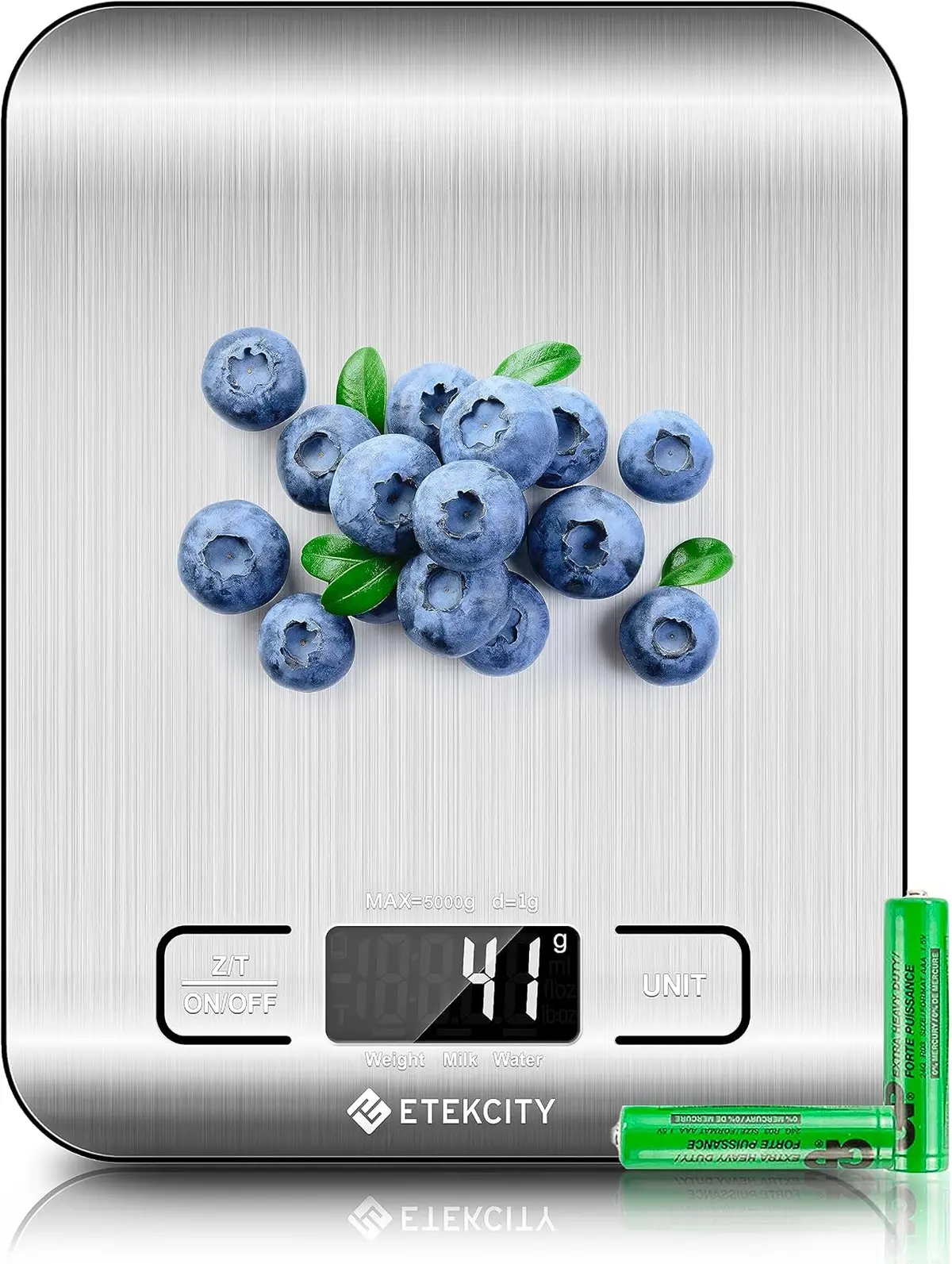
The Etekcity Food Kitchen Scale and the OXO Good Grips 11 lb Food Scale are two models to look at. The sources here don't publish specs for either, so check the listing shows 1 g increments before you buy. A scale that rounds to 5 g can be off by a third on a small batch.
-
Canning or pickling salt
Ball Salt for Pickling & Preserving and Morton Canning & Pickling Salt are both this type, which the NCHFP recommends. Kosher salt or sea salt without anti-caking agents also works. Avoid flake salt and reduced-sodium salt, which the NCHFP advises against for ferments.
-
A bowl, plus your vegetables already cut
Iodized table salt divides the sources. The NCHFP says it is safe for fermented pickles and that the anti-caking additives only cloud the brine. The Saskatchewan guide says iodine can interfere with fermentation. Pickling salt avoids the question.
Weight also matters because grain size varies. FermentCalc notes that density varies significantly between kosher salt brands, so a tablespoon of one holds noticeably less salt than a tablespoon of another. The sources here don't give gram weights per spoon for specific brands, and a scale makes the question moot.
Weigh, multiply, weigh again
-
Set the empty bowl on the scale and press tare
The display should read 0 g.
-
Add the cut vegetables
For brining, weigh the water instead of the vegetables. Write the number down.
-
Multiply that weight by your percentage
Grams of vegetables or water × 0.02 for 2%, × 0.025 for 2.5%, × 0.035 for 3.5%. The answer is grams of salt.
-
Tare a small dish and weigh out that much salt
Round to the nearest gram.
-
Mix the salt in
For kraut, squeeze the salt into the shreds with your hands. FermentFulness says brine appears in 15 to 30 minutes. For brining, stir until the water turns clear.
A quart jar of sauerkraut
MakeSauerkraut.com puts about 800 g of cabbage into one finished quart. Say the kitchen is warm, so you choose 2.5%.
| Cabbage on the scale | 800 g |
|---|---|
| Salt percentage | 2.5% (× 0.025) |
| 800 × 0.025 | 20 g salt |
| At 2% for a cool kitchen: 800 × 0.02 | 16 g salt |
Weigh out 20 g of salt for a warm kitchen or 16 g for a cool one, then pack the jar. The rest of the mason-jar fermentation method picks up from here.
When the jar goes wrong
With the salt weighed and mixed, you can scale any batch up or down by multiplying again. Next comes packing, keeping the vegetables under the brine, and waiting: the NCHFP gives 3 to 4 weeks at 70 to 75°F for kraut.
Salt weighed. What happens in the jar now?
The full mason-jar method covers packing, weighting, temperature and when to taste.
Read the fermenting guide
Comments
No comments yet. Be the first to comment!
Leave a Comment